In the heart of the Sonoran Desert, Arizona presents unique challenges and opportunities for landscaping. With its arid climate, fluctuating temperatures, and distinct seasonal patterns, traditional landscaping methods often fall short in sustainability and efficiency. However, embracing native plants and xeriscaping techniques can transform outdoor spaces into thriving ecosystems that are both beautiful and resilient.
Native plants are species that have evolved in a specific region over thousands of years. They have adapted to local conditions, making them naturally suited to thrive without excessive water or maintenance. Xeriscaping, on the other hand, is a landscaping method that emphasizes water conservation through the use of drought-tolerant plants and efficient irrigation practices. Together, these approaches not only enhance the aesthetic appeal of properties but also contribute significantly to environmental sustainability.
The Case for Native Plants
Adaptation to Local Conditions
One of the most compelling reasons to choose native plants is their remarkable adaptation to Arizona's climate. For instance, consider the desert marigold (Baileya multiradiata), a vibrant yellow flower that flourishes in dry soils with minimal rainfall. Its deep root system allows it to access moisture from deeper soil layers, making it an ideal choice for homeowners looking to maintain color in their gardens without constantly irrigating.
In addition to their resilience, native plants provide vital habitat for local wildlife. Birds, bees, and butterflies depend on these species for food and shelter. Incorporating native flora creates a symbiotic relationship between your landscape and local ecosystems. For example, planting milkweed can attract monarch butterflies during their migration season while providing them with a food source.
Low Maintenance Requirements
Another significant advantage is the reduced upkeep associated with native plant landscapes. Once established, these plants require less watering, fertilizing, and pest control compared to non-native varieties. This low maintenance translates into cost savings over time as the need for professional landscaping services diminishes.
Furthermore, many native species are resistant to local pests and diseases that might plague more exotic plants. For example, the desert willow (Chilopsis linearis) is not only drought-tolerant but also relatively pest-free in Arizona’s climate. This resilience minimizes the need for chemical treatments that can harm beneficial insects or pollute groundwater.

Embracing Xeriscaping Principles
Xeriscaping goes beyond just planting drought-resistant species; it's an entire philosophy centered around conserving water while creating appealing landscapes. Effective xeriscaping involves several key principles that any homeowner can implement.
Efficient Water Use
The cornerstone of xeriscaping is efficient water use. This begins with proper planning: grouping plants according to their water needs ensures that those requiring more moisture are watered together while drought-tolerant varieties thrive on less frequent irrigation schedules. A typical xeriscape garden may include zones where low-water-use plants like agave or succulents are planted alongside moderate-water-use plants such as certain grasses or shrubs.
Incorporating mulch also plays a vital role in xeriscaped areas by reducing evaporation from soil surfaces while suppressing weeds that compete for moisture and nutrients.
Soil Improvement Techniques
Improving soil quality increases its ability to retain moisture effectively—a crucial factor in any successful xeriscape garden. Adding organic matter such as compost enriches the soil structure while enhancing its moisture-holding capacity. Moreover, employing techniques like deep tilling can aerate compacted soils which improves drainage without losing essential nutrients.
Soil amendments tailored specifically for arid environments can further optimize conditions for plant growth by balancing pH levels and enriching nutrient content.
Strategic Plant Placement
When planning your landscape design using xeriscaping techniques, consider placing larger trees or shrubs on the southern or western sides of your property to provide shade for smaller plants during peak sun hours. This strategic placement helps create microclimates within your garden—areas that receive varying degrees of sunlight—allowing you to maximize plant health across diverse species.
Additionally, incorporating hardscapes like rocks or gravel paths not only creates visual interest but also helps manage runoff during rainstorms by allowing water to permeate back into the ground rather than wash away valuable topsoil.
The Environmental Impact
Utilizing native plants along with xeriscaping techniques does more than beautify landscapes; it has profound environmental benefits too. In a state where water scarcity is an ongoing concern—especially during sweltering summer months—every drop counts.
Water Conservation Efforts
Adopting these practices contributes significantly toward water conservation goals at both community and state levels. Research indicates that landscapes designed with xeriscaping principles can reduce outdoor water usage by up to 50 percent compared to traditional lawns reliant on high irrigation rates.
This reduction not only eases demand on municipal water supplies but also preserves precious groundwater resources necessary for maintaining delicate ecosystems throughout Arizona’s vast deserts.
Biodiversity Enhancement
Moreover, enhancing biodiversity through native plant selection helps combat invasive species threatening local habitats—a growing issue in many parts of Arizona due largely to climate change impacts coupled with urban development pressures.
By promoting healthy ecosystems populated by indigenous flora and fauna rather than foreign varieties ill-suited for desert conditions—homeowners play an active role in preserving natural habitats critical for wildlife survival across our increasingly fragmented landscapes.
Economic Benefits Beyond Aesthetics
Investing in landscapes featuring native plants combined with effective xeriscaping techniques offers tangible economic benefits too—both immediate savings on maintenance costs as well as long-term gains tied directly back into community resilience against climate change impacts looming ahead.
For instance:
- Reduced irrigation requirements lead directly towards lower utility bills. As demand increases among property buyers interested specifically in sustainable living options—homes showcasing eco-friendly features often command higher market values compared against those reliant solely upon conventional landscaping methods. Municipalities incentivize sustainable practices via tax rebates encouraging homeowners toward greener choices while enhancing overall community aesthetics driving tourism revenues upward over time!
At Blossom & Oak Landscaping based out of Queen Creek—we understand how important these benefits are! Our team specializes in delivering personalized landscaping services tailored precisely around each client's unique vision utilizing locally sourced materials whenever possible ensuring every https://ameblo.jp/dantewgdv635/entry-12957381440.html project aligns seamlessly within its natural surroundings!
Conclusion: A Vision for Sustainable Landscapes
Choosing native plants paired thoughtfully with innovative xeriscaping strategies empowers homeowners throughout Arizona—including those nestled within Queen Creek—to rethink traditional gardening norms without sacrificing beauty or functionality!
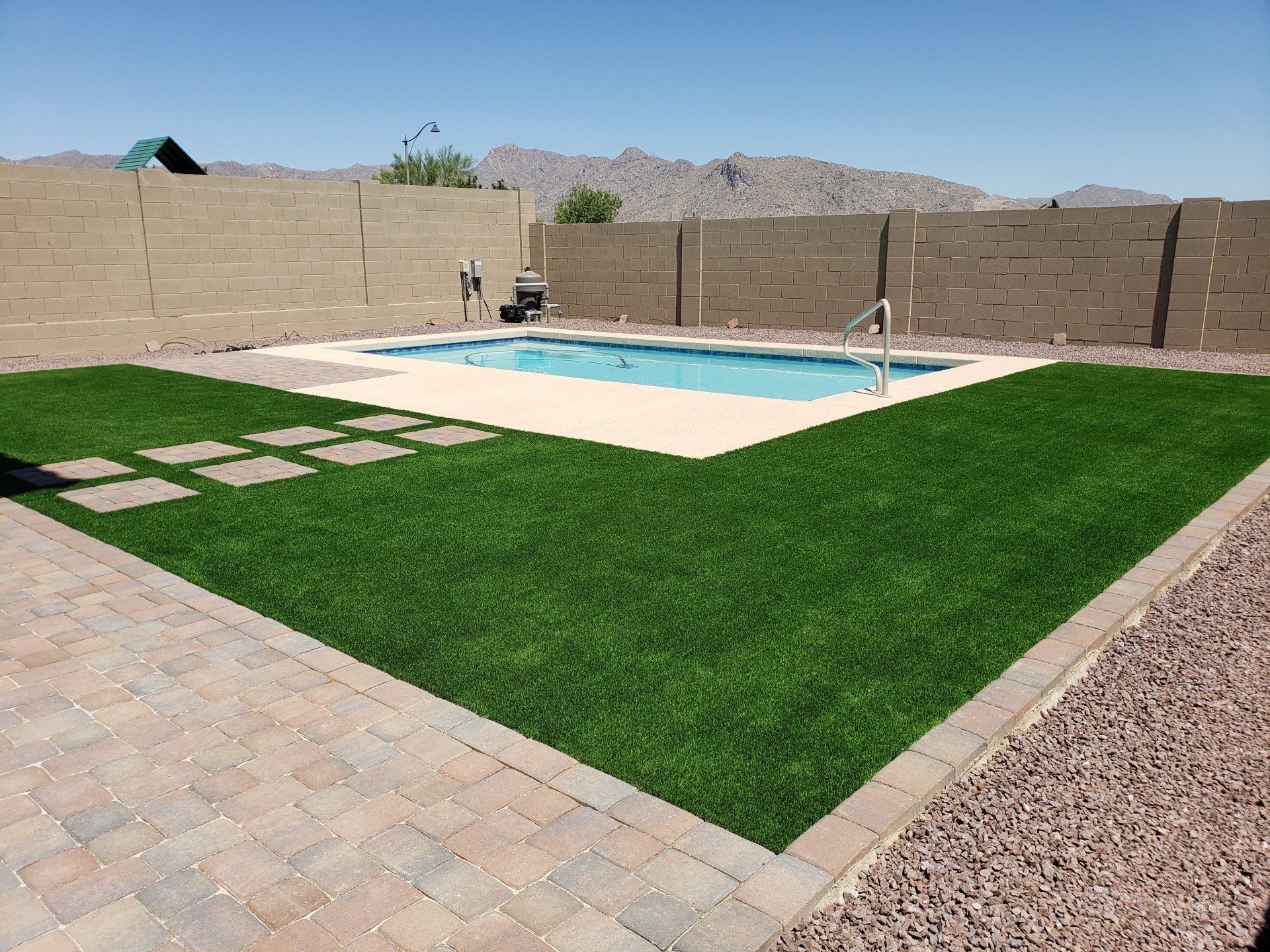
By embracing this holistic approach—not only do we cultivate visually stunning outdoor spaces—but we actively contribute towards preserving our planet's resources healing ecological imbalances created through centuries past all while laying down pathways leading towards brighter futures ahead!
Making informed decisions today leads us closer toward cultivating resilient communities capable of adapting successfully amidst shifting climates hovering just beyond tomorrow's horizon!
Blossom & Oak Landscaping
20665 S 191st Wy, Queen Creek, AZ 85142, United States
+1 (480) 660-4666
[email protected]
Website: https://www.blossomandoak.com